
 English

Yes, wetsuits can help keep kids warm in water by reducing heat loss from the body. Unlike regular swimwear, a wetsuit provides an insulating layer between the child and the surrounding water. The right wetsuit thickness, fit, and material can make a significant difference in comfort during swimming, surfing, snorkeling, and other water activities.
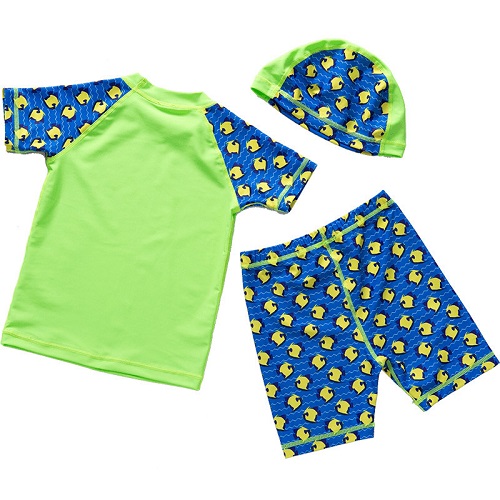
How Do Wetsuits Keep Kids Warm?
Most wetsuits are made from neoprene, a flexible material containing tiny air cells that provide insulation. When a child enters the water, a thin layer of water can enter between the wetsuit and the skin. The body warms this water, while the neoprene helps slow down heat loss.
This means a wetsuit does not actually generate heat. Instead, it helps the body retain warmth for longer and provides protection from cold water and wind.
Why Is a Wetsuit Useful for Kids?
Better thermal insulation: Neoprene helps reduce heat loss in cool water.
Longer water activity: Children can stay comfortable for longer when the wetsuit is suitable for the water temperature.
Protection from the environment: The material can provide a layer of protection against wind, minor scrapes, and contact with equipment.
Flexible movement: Stretch neoprene allows children to move their arms and legs while swimming or surfing.
Comfort during outdoor activities: A properly fitted wetsuit can make cold-water activities more comfortable.
What Wetsuit Thickness Should Kids Wear?
Wetsuit thickness should be selected according to water temperature, activity level, and the child's individual comfort. Thicker neoprene generally provides more insulation, while thinner materials offer greater flexibility.
| Wetsuit Thickness | Typical Use | Main Advantage |
|---|---|---|
| 1–2 mm | Warm water and mild conditions | Lightweight and flexible |
| 2–3 mm | Mild to moderately cool water | Balance of warmth and flexibility |
| 3–4 mm | Cooler water | Higher insulation |
| 4–5 mm+ | Cold-water conditions | Greater thermal protection |
These ranges are general guidelines. Actual requirements depend on the water temperature, exposure time, activity, and wetsuit design.
Why Does Wetsuit Fit Matter for Kids?
A wetsuit needs to fit closely against the body without restricting movement. If it is too loose, excessive water circulation can reduce its insulating effect. If it is too tight, the child may feel uncomfortable and have difficulty moving.
For children's wetsuits, sizing should consider height, chest, waist, hips, and body shape rather than age alone. A well-designed kids wetsuit should provide a secure fit while allowing sufficient flexibility for active movement.
What Features Should Buyers Look for in a Kids Wetsuit?
Flexible and durable neoprene
Appropriate thickness for the intended water temperature
Comfortable seams and construction
Easy-entry zipper or suitable closure system
Proper fit around the neck, wrists, and ankles
Reinforced areas for frequent use
Child-friendly patterns and colors for retail markets
Kids Wetsuits for Different Water Activities
Kids wetsuits can be designed for swimming, surfing, snorkeling, paddle sports, diving, and other water activities. Different activities may require different combinations of thickness, flexibility, coverage, and durability.
For example, a wetsuit designed for active surfing may prioritize flexibility around the shoulders and arms, while a recreational Swimming Wetsuit may focus more on lightweight construction and easy movement.
Custom Kids Wetsuit Manufacturing
For wholesalers, distributors, sports brands, and retailers, kids wetsuits can be customized according to target market requirements. Custom options may include neoprene thickness, colors, prints, sizes, patterns, logos, labels, zipper configurations, and packaging.
Working with an experienced wetsuit manufacturer can help buyers develop products with the right balance of insulation, flexibility, durability, and fit for different children's water activities.
Conclusion
Wetsuits can help keep kids warmer in water by reducing heat loss through neoprene insulation. The most suitable wetsuit depends on water temperature, thickness, fit, activity, and exposure time. For children's products, proper sizing and comfortable construction are especially important.
For B2B buyers looking for custom kids wetsuits, product specifications and design can be developed according to different markets, applications, and branding requirements.