
 English

Choosing the right toddler wetsuit for cold water is important when young children spend time swimming, surfing, kayaking, or playing in cooler water. A suitable wetsuit can provide thermal insulation while allowing toddlers to move comfortably in the water.
Because toddlers can be more sensitive to cold temperatures than adults, parents and buyers should consider water temperature, wetsuit thickness, fit, coverage, material, and ease of use when selecting a cold-water wetsuit.
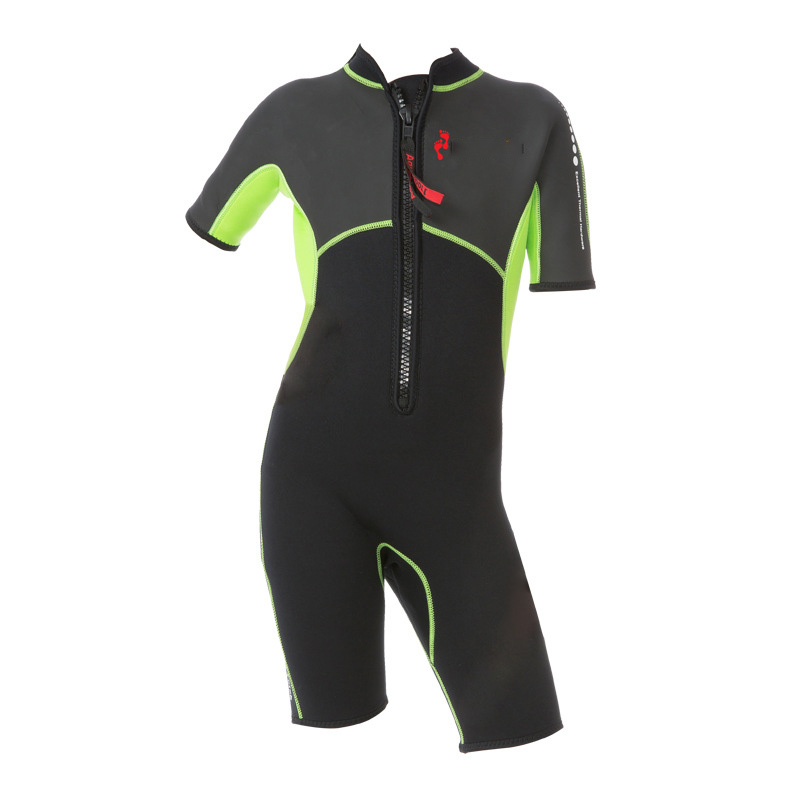
Why Do Toddlers Need a Wetsuit for Cold Water?
Water can remove body heat much faster than air, especially when the water is cold. A wetsuit provides an insulating layer between the child's body and the surrounding water.
Most wetsuits are made from neoprene, a flexible synthetic rubber material that helps reduce heat loss while allowing the wearer to move. However, a wetsuit should not be considered a substitute for appropriate supervision or other water-safety measures.
What Should You Consider When Choosing a Toddler Wetsuit?
1. Water Temperature
Water temperature is one of the most important factors when choosing a toddler wetsuit for cold water. A wetsuit suitable for mildly cool water may not provide enough insulation for colder conditions.
Before selecting a wetsuit, determine the typical water temperature where it will be used. This provides a starting point for choosing the appropriate thickness and coverage.
2. Wetsuit Thickness
Wetsuit thickness affects the level of thermal insulation. Thicker neoprene generally provides greater insulation, while thinner neoprene offers greater flexibility and may be more suitable for warmer water.
The appropriate thickness should be selected according to the water temperature, activity level, and design of the wetsuit.
3. Proper Fit
A toddler wetsuit should fit closely without being excessively tight. A good fit helps reduce water exchange between the suit and the child's body while allowing comfortable movement.
A wetsuit that is too loose may allow excessive water to enter, reducing its insulating performance. On the other hand, a suit that is too tight can restrict movement and make it uncomfortable to wear.
4. Coverage
Different wetsuit designs provide different levels of body coverage. Full wetsuits cover the arms and legs and generally provide more protection from cold water than shorty or short-sleeve designs.
For colder water, greater body coverage may be preferred. The final choice should take the water temperature and intended activity into account.
5. Neoprene Material
Neoprene is widely used in wetsuits because it provides insulation, flexibility, and durability. For toddlers, flexible neoprene can make it easier to move, swim, and participate in water activities.
For manufacturers and buyers, material thickness, flexibility, construction, and seam design can all affect the overall performance of a toddler wetsuit.
6. Ease of Putting On and Taking Off
Getting a wetsuit on a toddler can be challenging, so the closure design should also be considered. Back zippers, front zippers, and other easy-entry designs can make dressing and removal more convenient.
A practical design can be especially useful for parents who need to change their child's wetsuit before or after water activities.
Which Toddler Wetsuit Is Suitable for Cold Water?
For cold-water use, a full-body wetsuit with suitable neoprene thickness is generally more appropriate than a short wetsuit because it provides greater body coverage.
However, there is no single wetsuit design that is suitable for every cold-water condition. Water temperature, activity duration, child's size, wetsuit fit, and individual tolerance to cold should all be considered.
Toddler Wetsuit for Different Water Activities
A toddler wetsuit may be used for different recreational water activities, including:
Swimming in cooler water
Surfing
Kayaking
Paddleboarding
Beach activities
Water sports training
The required wetsuit design can vary depending on the activity. For example, activities involving frequent arm movement may require a more flexible upper body, while longer exposure to cold water may require greater thermal coverage.
Cold Water Wetsuit Buying Checklist
Check the typical water temperature.
Choose an appropriate neoprene thickness.
Make sure the wetsuit fits closely but comfortably.
Consider full-body coverage for colder conditions.
Look for flexible construction that allows natural movement.
Consider zipper and entry design for easier dressing.
Check seams and construction quality.
Choose a size according to the manufacturer's size chart.
Conclusion
Choosing a toddler wetsuit for cold water requires more than simply selecting a thicker suit. Water temperature, neoprene thickness, fit, coverage, flexibility, and construction should all be considered together.
A properly selected wetsuit can provide thermal insulation and comfortable movement during cooler-water activities. For manufacturers, retailers, and water-sports brands, these factors are also important when developing or sourcing toddler wetsuits for different markets and water conditions.
FAQ
What should a toddler wear in cold water?
A properly fitted wetsuit designed for the water temperature can provide thermal insulation during cold-water activities. The appropriate thickness and coverage depend on the specific water conditions.
Is neoprene good for toddler wetsuits?
Yes. Neoprene is widely used for wetsuits because it provides thermal insulation, flexibility, and durability.
Should a toddler wetsuit be tight?
A wetsuit should fit closely enough to reduce excessive water exchange while still allowing comfortable movement. It should not be excessively tight or restrict normal movement.
Is a full wetsuit better for cold water?
A full wetsuit generally provides greater body coverage than a shorty wetsuit, making it a suitable option for many colder-water conditions. The appropriate design still depends on the actual water temperature and activity.
Looking for Toddler Wetsuits?
If you are sourcing toddler wetsuits for cold-water activities, contact us to discuss neoprene materials, thickness options, sizes, designs, and customized requirements.