
 English

Sweat Proof Leggings are activewear leggings designed to manage sweat and moisture during exercise. They typically use moisture-wicking, quick-drying, and breathable fabrics to move perspiration away from the skin and help it evaporate faster.
Although the term “sweat proof” is widely used in activewear marketing, it does not mean that the leggings can completely prevent sweat or make the body stop sweating. Instead, Sweat Proof Leggings are designed to handle perspiration more effectively, helping reduce dampness, discomfort, and the visible appearance of sweat during workouts.
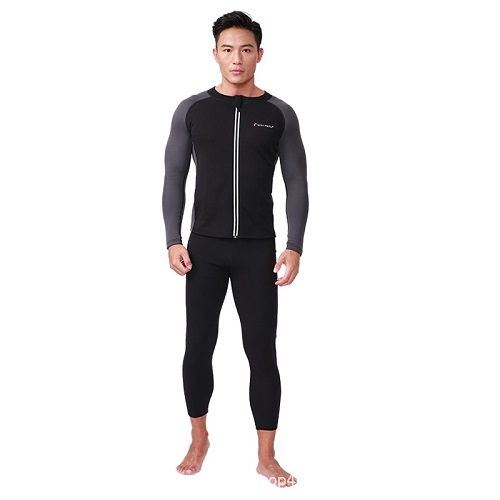
How Do Sweat Proof Leggings Work?
The performance of sweat proof leggings mainly depends on the fabric structure and fiber composition. Moisture-wicking fabrics use small spaces between fibers to transport sweat away from the skin toward the outer surface of the material.
Once moisture reaches the outer surface, it can spread over a larger area and evaporate more quickly. This moisture-management process can help the wearer feel drier and more comfortable during high-intensity exercise.
Some advanced activewear fabrics are also designed to reduce the visible appearance of sweat on the outside of the garment by combining different yarns, fabric structures, or finishing technologies.
What Fabrics Are Used for Sweat Proof Leggings?
The fabric is one of the most important factors affecting the performance of sweat proof leggings. Common materials include polyester, nylon, and elastane.
Polyester
Polyester is widely used in performance activewear because it is lightweight, durable, and suitable for moisture-wicking applications. It can help transport sweat toward the outer surface of the fabric for faster evaporation.
Nylon
Nylon provides a smooth hand feel, good durability, and comfortable stretch when blended with elastane. Nylon-based fabrics are commonly used for fitted performance leggings.
Elastane
Elastane, also known as spandex, provides stretch and recovery. It allows leggings to move with the body during running, squats, stretching, cycling, and other activities.
Many performance leggings therefore use blended fabrics rather than relying on a single fiber. The exact blend can be adjusted according to the required stretch, moisture management, softness, durability, and compression.
What Are the Main Features of Sweat Proof Leggings?
1. Moisture Wicking
Moisture-wicking fabric helps move sweat away from the skin and toward the outside of the garment. This can reduce the uncomfortable feeling of wet fabric during exercise.
2. Quick Drying
After moisture reaches the outer surface, a quick-drying fabric allows it to evaporate more efficiently. Faster drying can be particularly useful during long or high-intensity workouts.
3. Breathability
Breathable fabric construction can help release heat and moisture during physical activity. Breathability is especially important for running, HIIT, gym training, and outdoor exercise.
4. Stretch and Recovery
Leggings need sufficient stretch to accommodate body movement. Good recovery also helps the garment maintain its shape after repeated stretching.
5. Comfortable Fit
Sweat proof leggings are normally designed to fit closely against the body. A suitable waistband, comfortable seams, and appropriate compression can improve stability and reduce distractions during movement.
6. Reduced Visible Sweat Marks
Fabric construction and color can affect how visible sweat becomes on the garment. Darker colors and certain fabric structures can help make moisture marks less noticeable.
Where Are Sweat Proof Leggings Used?
Sweat proof leggings can be used for a wide range of sports and fitness activities, including:
Running and jogging
Gym workouts
HIIT training
Strength training
Yoga and Pilates
Cycling
Dance and fitness classes
Outdoor training
Everyday activewear
The ideal fabric weight, stretch, breathability, and moisture-management performance can vary depending on the activity and environment.
Why Is Fabric Important for Sweat Proof Leggings?
Fabric has a direct impact on how leggings manage moisture, heat, movement, and comfort. A thin fabric is not necessarily more breathable, and a fabric that absorbs moisture is not necessarily quick drying.
For performance leggings, buyers should consider the complete fabric system, including fiber composition, yarn structure, knit construction, stretch, recovery, moisture-wicking performance, and drying speed.
Sweat Proof vs. Moisture-Wicking Leggings
The terms sweat proof and moisture wicking are sometimes used interchangeably, but they can describe different performance characteristics.
Moisture-wicking leggings are designed to move sweat away from the skin and help it evaporate. Sweat proof leggings may refer more broadly to garments designed to manage perspiration and reduce the visible or uncomfortable effects of sweating.
For activewear development, it is therefore useful to evaluate specific performance requirements rather than relying only on the product name.
Conclusion
Sweat proof leggings are performance-focused leggings designed to manage perspiration during physical activity. Their performance depends on moisture-wicking properties, drying speed, breathability, stretch, fabric construction, and garment design.
For activewear brands, wholesalers, and apparel manufacturers, selecting the right fabric blend and construction is essential when developing sweat-resistant leggings for different sports, climates, and target markets.