
 English

Choosing the right kids float vest requires careful consideration of the child's size, the intended water activity, and the product's buoyancy and safety characteristics. A vest designed for supervised pool activities may not be suitable for boating or other environments where different flotation requirements apply.
For parents, water sports retailers, and children's aquatic product distributors, understanding the differences between water activities can help when selecting or sourcing an appropriate float vest.
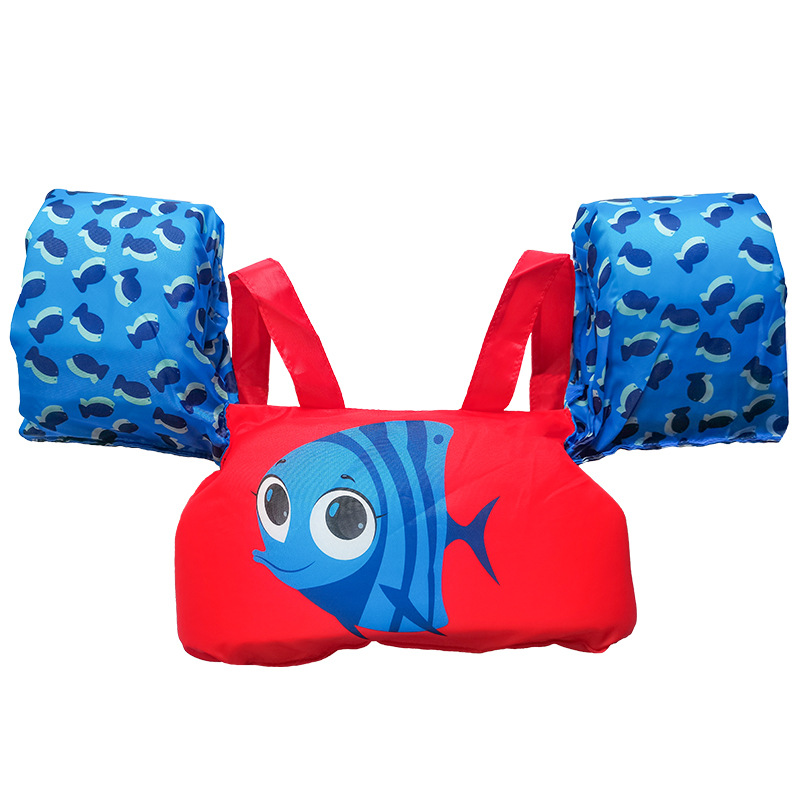
1. Understand the Difference Between a Float Vest and a Life Jacket
Before selecting a product, it is important to understand the difference between a flotation vest intended to support swimming practice and a certified life jacket or personal flotation device.
Some kids float vests are designed to provide buoyancy assistance during supervised swimming or recreational water activities. They may help children become familiar with the water and develop swimming confidence.
However, not every float vest is designed to provide the level of protection required for boating or emergency situations.
A float vest should not automatically be treated as a substitute for a certified life jacket. For boating and other activities where a personal flotation device is required, select a product that is appropriately certified and approved for the intended use.
2. Choosing a Kids Float Vest for Swimming Pools
Swimming pools are common environments for children's swimming practice and recreational activities. In these settings, a kids float vest may be used to provide buoyancy assistance under close adult supervision.
When selecting a vest for pool use, consider the following factors:
Proper fit: The vest should fit the child according to the manufacturer's size guidelines.
Comfort: Soft outer fabrics and suitable construction can help support comfortable movement.
Buoyancy design: The vest should provide the buoyancy characteristics intended for supervised pool activities.
Freedom of movement: The design should allow the child to move their arms and body comfortably.
Ease of use: Fastening systems should be suitable for the intended age group and application.
A float vest can support swimming practice, but it does not eliminate the need for continuous adult supervision.
3. Choosing a Kids Float Vest for Water Parks
Water parks may include swimming pools, shallow play areas, water slides, and other recreational facilities. The appropriate flotation equipment depends on the specific activity and the rules of the facility.
When sourcing kids float vests for water park operations or retail distribution, buyers should consider:
Suitability for the intended water activities
Size range and adjustability
Comfort during repeated use
Durability of fabric and fastening components
Ease of cleaning and maintenance
Compliance with applicable safety requirements
Not every float vest is suitable for water slides, wave pools, or deep-water activities. The product's intended use should always be confirmed before use.
4. Choosing a Kids Float Vest for Boating
Boating presents different safety requirements from supervised swimming. Children may encounter waves, changing weather conditions, and unexpected falls into the water.
For boating, a standard recreational float vest may not provide adequate protection. Parents and operators should select a properly approved and certified child life jacket or personal flotation device that is suitable for the child's weight, size, and intended boating environment.
When purchasing products for marine or boating applications, check the relevant certification requirements and confirm that the product is approved for the specific activity and market.
Fit is especially important. A child's life jacket should be correctly secured and checked according to the manufacturer's instructions before entering the water.
5. Choosing a Kids Float Vest for Water Sports Training
Children participating in supervised water sports training may have different equipment requirements depending on the activity and their skill level.
For activities such as swimming practice or selected recreational water exercises, a suitable buoyancy vest may help provide additional support.
However, the equipment should match the activity. Products designed for general swimming assistance may not be appropriate for high-speed water sports, open-water activities, or situations requiring certified personal flotation protection.
When evaluating a vest for water sports training, consider its intended use, fit, buoyancy performance, flexibility, and compatibility with the training environment.
6. Choose the Right Size Based on the Child's Measurements
Size is one of the most important factors when selecting a kids float vest. A vest that is too loose may not remain securely positioned, while an excessively tight vest may restrict movement and cause discomfort.
Depending on the product, manufacturers may provide size recommendations based on weight, chest measurement, height, or age.
When choosing a vest, buyers should:
Review the manufacturer's sizing chart.
Check the child's relevant body measurements.
Confirm the product's weight or size range.
Adjust the straps according to the manufacturer's instructions.
Check the fit before each use.
Age alone should not be used as the only basis for selecting a flotation product.
7. Consider Buoyancy and Safety Requirements
Different water activities require different levels and types of flotation support. A vest designed for swimming assistance may have different characteristics from a certified life jacket intended for emergency flotation.
Before selecting a product, verify its intended use, buoyancy specifications, and relevant certification or testing information.
For commercial buyers, it is important to request product documentation and confirm whether the product meets the requirements of the target market.
8. Evaluate Comfort and Freedom of Movement
Children may be more willing to participate in water activities when their equipment is comfortable and allows natural movement.
Features such as flexible materials, suitable arm openings, adjustable straps, lightweight construction, and smooth fabric surfaces may contribute to wearing comfort.
However, comfort must be balanced with proper fit and flotation performance. A product should not be modified in a way that compromises its intended safety characteristics.
9. What Should Brands Consider When Sourcing Custom Kids Float Vests?
For children's water sports brands, swimming schools, retailers, and distributors, product customization may include colors, patterns, logos, fabric options, packaging, and selected design features.
When sourcing custom kids float vests, buyers should consider the following factors:
Intended water activity and target market
Applicable product safety standards
Size range and buoyancy requirements
Outer fabric and flotation material options
Branding and appearance customization
Sample approval and product testing
Production capacity and quality control
Packaging and bulk order requirements
Working with an experienced manufacturer can help brands evaluate product specifications and develop a design suitable for their intended market.
Choosing the right kids float vest depends on the child's size, the intended water activity, and the product's flotation and safety requirements. A vest for supervised swimming practice may not be suitable for boating or other activities that require a certified personal flotation device.
For brands and distributors, evaluating fit, materials, buoyancy characteristics, durability, and applicable standards can help support better product selection and purchasing decisions.
Looking for custom kids float vests for your water sports brand? Contact our team to discuss product specifications, materials, customization options, and bulk order requirements.