
 English

Materials play an important role in the buoyancy, comfort, durability, and overall performance of a kids float vest. Whether used for recreational swimming, water parks, boating, or other supervised water activities, a children's float vest should be made from materials that match its intended purpose and applicable safety requirements.
For water sports brands, distributors, and wholesale buyers, understanding the materials used in kids float vests can help when evaluating product quality, customization options, and manufacturing capabilities.
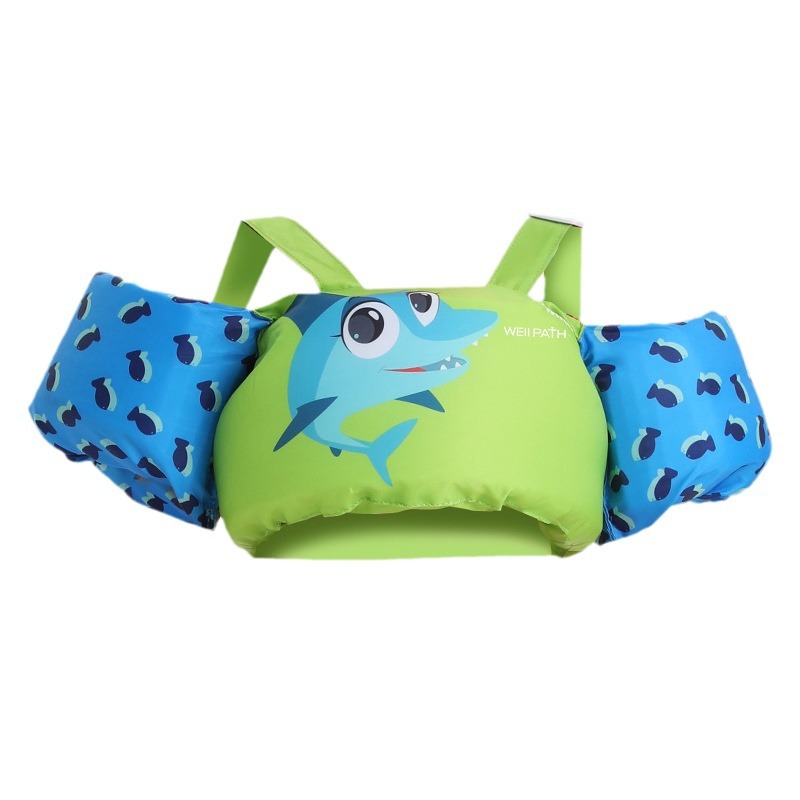
1. What Is the Flotation Material in a Kids Float Vest?
The flotation material is the core component responsible for providing buoyancy. Many kids float vests use closed-cell foam because it can provide buoyancy without readily absorbing water.
Common flotation materials include:
EPE foam: Expanded polyethylene foam is lightweight and commonly used in buoyancy products. Its cushioning properties can also contribute to wearing comfort.
EVA foam: Ethylene-vinyl acetate foam is known for its flexibility, resilience, and lightweight structure. It may be used in selected buoyancy and water sports products.
Other buoyancy foams: Depending on the product design and performance requirements, manufacturers may use other suitable closed-cell foam materials.
The appropriate foam depends on the intended buoyancy performance, product construction, applicable standards, and target market.
2. What Fabrics Are Used for the Outer Layer?
The outer fabric protects the internal flotation material and affects how the vest feels against the skin. Since kids may wear float vests for extended periods, the outer material should balance durability, comfort, and resistance to the intended water environment.
Common outer materials include:
Polyester fabric: Polyester is widely used because of its durability, relatively good dimensional stability, and suitability for various textile constructions.
Nylon fabric: Nylon can offer a smooth feel, good abrasion resistance, and flexibility, depending on the fabric construction.
Neoprene: Neoprene may be used in selected water sports products because of its soft feel, flexibility, and thermal insulation properties. Its suitability depends on the design and intended use.
Manufacturers may also use different fabric weights, finishes, and constructions to meet specific product requirements.
3. Why Is Mesh Fabric Used in Some Kids Float Vests?
Mesh fabric may be incorporated into certain float vest designs to improve breathability, drainage, or flexibility in selected areas.
For example, mesh panels may be used in areas that benefit from increased airflow or faster drainage after water exposure. However, mesh is not a substitute for the vest's primary buoyancy material.
The placement and construction of mesh panels should be carefully evaluated to ensure that they do not compromise the product's intended performance.
4. What Materials Are Used for Buckles and Straps?
Buckles and straps help secure the float vest to the child. Their materials and construction influence adjustability, durability, and ease of use.
Common materials include:
Plastic buckles: Durable plastic materials may be used for adjustable fastening systems.
Polyester webbing: Polyester webbing is commonly used for straps because of its strength and resistance to wear.
Adjustable components: Strap adjusters and other fastening parts can help accommodate the intended size range.
For children's products, fastening components should be designed to suit the intended users and tested according to applicable requirements.
5. Are Reflective Materials Used in Kids Float Vests?
Some kids float vests incorporate reflective elements to improve visibility under suitable lighting conditions. These elements may be made from reflective films, fabrics, or other reflective materials.
Reflective details can be useful in certain outdoor water activities, but they should not be considered a substitute for adult supervision, appropriate lighting, or other safety measures.
Whether reflective materials are required depends on the product design, intended application, and applicable market regulations.
6. How Do Materials Affect Kids Float Vest Comfort?
A children's float vest needs to provide a balance between buoyancy and wearing comfort. Material selection can influence the product's weight, flexibility, softness, and fit.
For example, a lightweight flotation core can help reduce the overall weight of the vest, while a suitable outer fabric may improve comfort during movement.
However, comfort should not be evaluated separately from fit and buoyancy performance. A vest that feels comfortable but does not provide the appropriate support for its intended use may not be suitable for the application.
7. What Should Buyers Consider When Selecting Materials?
For brands, distributors, and wholesale buyers sourcing custom kids float vests, the following material-related factors are worth reviewing:
Flotation material and buoyancy characteristics
Outer fabric durability and comfort
Resistance to the intended water environment
Stitching and construction quality
Buckle and strap durability
Applicable safety and material requirements
Available colors, prints, and customization options
Product testing and quality control procedures
Manufacturers should be able to clarify the materials used in each product and explain how the construction is matched to the intended application.
8. Custom Material Options for Kids Float Vests
Different brands may have different requirements for appearance, comfort, product positioning, and target markets. Depending on the manufacturer's capabilities, custom kids float vests may be developed with selected outer fabrics, colors, patterns, branding details, and packaging options.
However, any material or structural change should be evaluated to ensure that it does not affect the product's buoyancy, fit, durability, or compliance with applicable requirements.
Kids float vests are commonly made from a combination of flotation foam, outer fabrics, webbing, buckles, and other functional components. Each material contributes to the vest's overall performance, comfort, and durability.
When sourcing children's float vests, buyers should evaluate not only the material types but also the product's construction, intended use, buoyancy characteristics, and applicable safety requirements.
Looking for custom kids float vests for your brand? Contact our team to discuss available materials, design options, product specifications, and OEM/ODM requirements.