
 English

When choosing an Adult Diving Suit, one of the most important decisions is the thickness of the wetsuit. Among the most common options, 3mm, 5mm, and 7mm Diving Suits are designed for different water temperatures and diving conditions.
Choosing the correct thickness is not simply about selecting the thickest suit available. A suitable Diving Suit should provide enough thermal protection while allowing comfortable movement underwater. Understanding the differences between 3mm, 5mm, and 7mm wetsuits can make it easier to select the right option for a specific diving environment.
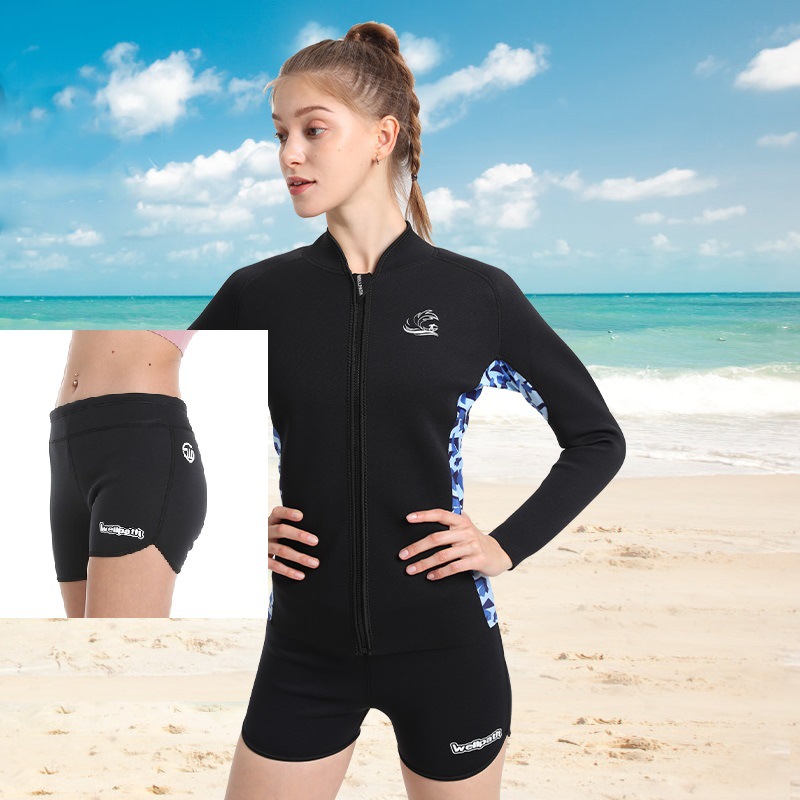
What Does Wetsuit Thickness Mean?
Wetsuit thickness refers to the thickness of the neoprene material used in the suit. In general, thicker neoprene provides greater insulation because it creates a stronger barrier against heat loss.
However, increased thickness can also affect flexibility and mobility. For this reason, the best adult diving suit should balance warmth with the freedom of movement needed for swimming, scuba diving, snorkeling, or other water activities.
3mm Adult Diving Suit: Lightweight and Flexible
A 3mm diving suit is commonly associated with warmer water conditions. Its relatively thin neoprene construction makes it lighter and more flexible than thicker alternatives.
This type of adult diving suit can be a practical choice for tropical diving, warm-water scuba diving, snorkeling, and other activities where extreme thermal insulation is not required.
Advantages of a 3mm Diving Suit
Lightweight and easy to wear
Good flexibility for underwater movement
Suitable for warmer water conditions
Generally easier to pack for travel
Provides protection from minor abrasions and environmental contact
For divers who mainly explore warm-water destinations, a 3mm wetsuit can offer a useful combination of comfort, flexibility, and moderate thermal protection.
5mm Adult Diving Suit: A Versatile Choice
A 5mm diving suit offers a middle ground between lightweight flexibility and stronger thermal insulation. It is often considered a versatile option for divers who encounter moderately cool water.
Compared with a 3mm suit, the additional material can provide greater warmth. At the same time, a 5mm suit can remain flexible enough for many recreational and professional diving activities.
Advantages of a 5mm Diving Suit
More thermal protection than a 3mm suit
Suitable for a wider range of diving conditions
Good balance between warmth and flexibility
Practical for divers who experience changing water temperatures
Suitable for many scuba diving applications
If you are looking for one diving wetsuit that can handle a broader range of conditions, a 5mm design may be a practical option depending on the specific water temperature and individual cold tolerance.
7mm Adult Diving Suit: Designed for Colder Conditions
A 7mm diving suit provides more insulation than thinner alternatives and is generally considered for colder diving environments. The increased neoprene thickness helps reduce heat loss during longer periods in cold water.
For cold-water scuba diving, a 7mm adult diving suit can provide the additional thermal protection needed to remain more comfortable underwater.
Advantages of a 7mm Diving Suit
Greater thermal insulation
Suitable for colder water environments
Provides more coverage and protection
Useful for longer dives in cooler conditions
Designed for divers who prioritize warmth
The trade-off is that thicker neoprene can feel less flexible than a thinner wetsuit. Therefore, divers should consider both thermal requirements and mobility before selecting a 7mm suit.
3mm vs. 5mm vs. 7mm Diving Suit
| Thickness | Typical Use | Warmth | Flexibility |
|---|---|---|---|
| 3mm | Warm-water diving | Moderate | High |
| 5mm | Cool or moderate water | High | Good |
| 7mm | Cold-water diving | Very High | Lower than thinner suits |
The table provides a general comparison. Actual performance depends on the wetsuit material, construction, fit, water temperature, dive duration, and individual tolerance to cold.
How to Choose Between 3mm, 5mm and 7mm?
The easiest way to choose the right adult diving suit thickness is to start with the environment in which you will use it.
Choose 3mm When:
You mainly dive in warm or tropical water.
You prioritize flexibility and lightweight comfort.
You do not require heavy thermal insulation.
You frequently travel with your diving equipment.
Choose 5mm When:
You dive in moderately cool water.
You want a balance between warmth and flexibility.
Your diving conditions change between seasons.
You want a versatile wetsuit for different activities.
Choose 7mm When:
You regularly dive in cold water.
You need stronger thermal insulation.
You spend longer periods underwater.
Warmth is a higher priority than maximum flexibility.
Does Thickness Affect Diving Performance?
Yes. Wetsuit thickness can affect more than just warmth. Thicker neoprene may provide stronger insulation but can also require more effort to move through the water compared with a thinner and more flexible suit.
Thickness can also influence buoyancy characteristics, especially when using thicker neoprene. Divers should therefore consider their complete equipment setup and follow appropriate buoyancy management practices when changing wetsuit thickness.
Why Fit Matters Regardless of Thickness
Even the right thickness cannot compensate for a poor fit. A diving wetsuit should fit closely enough to minimize excessive water movement between the suit and the body while still allowing normal breathing and movement.
A loose suit may reduce thermal efficiency, while an excessively tight suit can become uncomfortable and restrict mobility. For this reason, body measurements and the specific sizing system of the manufacturer should always be considered before ordering.
Choose the Right Adult Diving Suit for Your Application
There is no single wetsuit thickness that is perfect for every diver. A 3mm suit may be ideal for warm-water activities, while a 5mm suit can provide a versatile balance for moderate conditions. For colder environments, a 7mm adult diving suit can provide additional insulation.
For professional buyers, distributors, diving equipment suppliers, and water sports brands, selecting the right product specification is equally important. Product thickness, material quality, sizing, construction, and application should all be evaluated according to the target market.
Explore our Adult Diving Suit range to find a suitable solution for different diving and water sports applications.
Frequently Asked Questions
Is a 3mm wetsuit suitable for scuba diving?
A 3mm wetsuit can be suitable for scuba diving in warm water. The final choice should depend on water temperature, dive duration, personal cold tolerance, and the specific suit design.
Is a 5mm wetsuit warmer than a 3mm wetsuit?
Generally, yes. A 5mm wetsuit provides more neoprene insulation than a 3mm suit and is typically more suitable for cooler water conditions.
When should I choose a 7mm diving suit?
A 7mm diving suit is generally considered for colder water where additional thermal protection is required. Divers should also consider dive duration and personal sensitivity to cold.
Does a thicker wetsuit reduce flexibility?
Generally, thicker neoprene can feel less flexible than thinner material. However, the actual flexibility also depends on neoprene quality, construction, panel design, and the fit of the suit.
Can I use a 5mm diving suit in both warm and cold water?
A 5mm suit can cover a useful range of conditions, but it may be too warm for some tropical environments and insufficient for very cold water. The appropriate thickness should always be matched to the intended diving conditions.