
 English

Choosing the right Adult Diving Suit is an important part of preparing for a comfortable and safe diving experience. Water temperature can vary significantly between different diving locations and seasons, so one Diving Suit may not be suitable for every environment. The thickness, material, coverage, and fit of a Diving Suit all affect how well it performs underwater.
For divers, the key is to match the diving suit to the water temperature and diving conditions. A suitable wetsuit can help reduce heat loss, provide protection from the environment, and allow enough flexibility for comfortable movement.
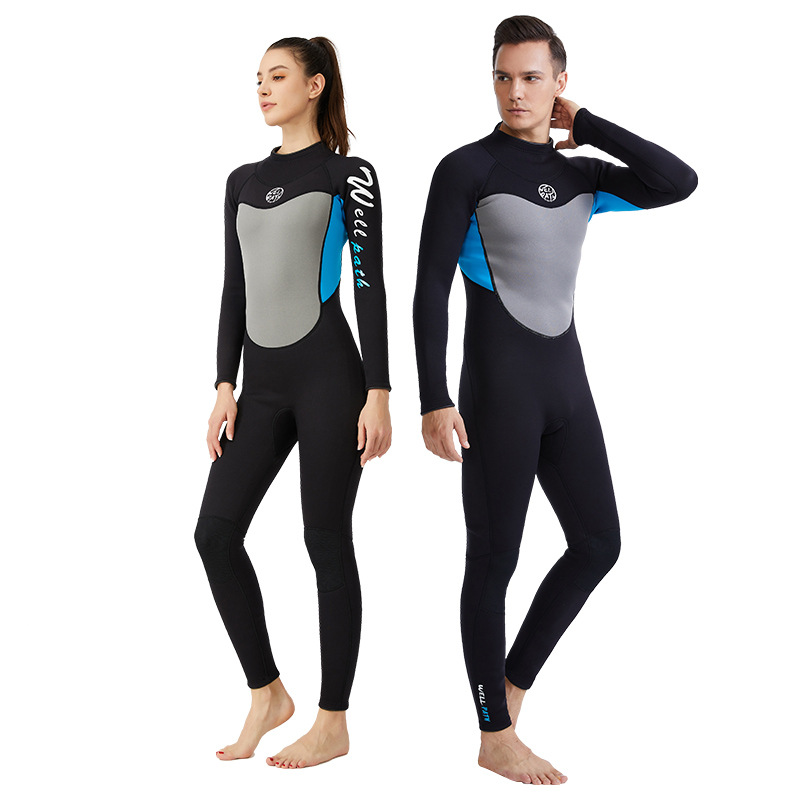
Why Water Temperature Matters When Choosing a Diving Suit
Water conducts heat away from the body much faster than air. Even when the water does not feel extremely cold at first, spending a long time underwater can gradually reduce body temperature. This is why water temperature is one of the first factors to consider when selecting an adult diving suit.
A thinner wetsuit may provide sufficient thermal protection in warm tropical waters, while colder conditions usually require a thicker suit or additional thermal protection. The length and type of diving activity should also be considered because longer dives generally increase the importance of effective insulation.
Choose the Right Wetsuit Thickness
Wetsuit thickness is one of the most important factors affecting warmth. Common options include 3mm, 5mm, and 7mm diving suits, with thicker materials generally providing greater insulation.
3mm diving suit: Suitable for relatively warm water and tropical diving conditions where moderate thermal protection is needed.
5mm diving suit: A versatile option for cooler water and divers who need a balance between warmth and flexibility.
7mm diving suit: Designed for colder diving environments where stronger thermal insulation is required.
These thickness ranges are general guidelines rather than strict rules. Individual comfort, dive duration, activity level, and personal sensitivity to cold should also be considered when choosing an adult diving suit.
Consider the Diving Environment
Water temperature is not the only factor that affects the choice of a diving wetsuit. Divers should also consider the environment where the suit will be used.
For example, tropical scuba diving may require a lightweight suit that provides sufficient protection without restricting movement. In colder waters, greater coverage and thicker neoprene can help provide additional thermal protection. Divers who frequently travel between different regions may prefer to have different suit thicknesses for different seasons and destinations.
How Material Affects Diving Comfort
Many diving suits use neoprene because it provides insulation while maintaining flexibility. The quality and construction of the material can influence the overall comfort, durability, and mobility of the suit.
A well-designed neoprene wetsuit should provide enough stretch for swimming and diving movements while maintaining a close fit around the body. The material should also be suitable for repeated use in saltwater and other demanding aquatic environments.
Fit Is Just as Important as Thickness
A thick diving suit is not automatically warmer or more comfortable if it does not fit correctly. A good adult diving suit should fit closely against the body without creating excessive pressure or restricting movement.
If the suit is too loose, water can circulate between the body and the suit, reducing thermal efficiency. If it is too tight, it may restrict movement and make it uncomfortable to wear during a long dive.
When selecting a diving suit, divers should consider body measurements, suit design, stretch characteristics, and the type of diving they normally perform.
Full-Length or Short Diving Suit?
The coverage of a diving suit should also match the diving environment. Full-length diving suits cover the arms and legs and provide more protection against cold water, minor abrasions, and contact with the surrounding environment.
Shorty wetsuits provide greater freedom and are often used in warmer water where extensive thermal protection is not necessary. The right choice depends on the water temperature, activity, and level of protection required.
How to Choose the Right Adult Diving Suit?
Before purchasing an adult diving suit, consider these key factors:
Water temperature: Determine whether you mainly dive in warm, moderate, or cold water.
Wetsuit thickness: Select an appropriate thickness based on the diving environment and personal comfort.
Fit: Choose a close-fitting design that supports thermal performance without restricting movement.
Material: Consider neoprene quality, flexibility, durability, and construction.
Coverage: Decide between full-length and shorter designs according to the conditions.
Diving frequency: Frequent divers may prioritize durability, comfort, and easy maintenance.
Find the Right Diving Suit for Your Needs
The right adult diving suit should provide a practical balance between thermal protection, flexibility, comfort, and durability. Instead of choosing a suit based only on thickness, consider the complete diving environment, including water temperature, dive duration, activity level, and personal preferences.
For divers, retailers, distributors, and professional buyers looking for reliable diving equipment, selecting the right suit specification can also help improve user satisfaction and long-term product performance. Explore our Adult Diving Suit range to learn more about available options.
Frequently Asked Questions
What thickness adult diving suit should I choose?
The appropriate thickness depends mainly on water temperature and diving conditions. A 3mm suit is generally used in warmer water, while 5mm and 7mm suits provide greater insulation for cooler conditions.
Is a thicker diving suit always better?
Not necessarily. A thicker suit can provide more insulation, but it may also reduce flexibility. The best thickness is the one that provides sufficient thermal protection for the intended diving environment.
Why does an adult diving suit need to fit closely?
A close fit helps reduce water circulation between the body and the wetsuit, which can improve thermal performance. However, the suit should not be so tight that it restricts normal movement.
Can the same diving suit be used in different water temperatures?
A suit can be used across a certain range of temperatures, but its suitability depends on its thickness and design. Divers who regularly dive in significantly different climates may need different suit thicknesses.