
 English

Choosing the right life jacket for a child is not simply about finding a jacket that looks the right size. A child's weight, body shape, chest size, intended activity, and the manufacturer's sizing instructions all matter. A jacket that is too loose may not stay in the correct position, while one that is too small can be uncomfortable and restrict movement.
For parents, boat operators, retailers, and water sports businesses, one of the most common questions is: what size life jacket does my child need? The answer starts with the child's weight and the manufacturer's size chart, followed by a proper fit check.
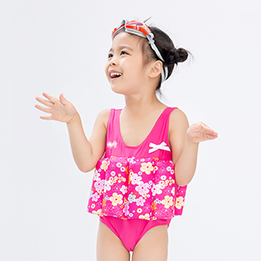
Start With Your Child's Weight
The first step when choosing a kids life jacket is to check the weight range printed on the product label or provided by the manufacturer.
Children grow quickly, so choosing a jacket based only on age can be misleading. Two children of the same age may have very different body weights and sizes.
For this reason, always compare your child's current weight with the manufacturer's recommended range before purchasing a child life jacket.
Do not intentionally buy a jacket that is much larger because you expect your child to grow into it. A life jacket needs to fit properly when it is actually being used.
Why Age Alone Is Not Enough
Age can provide a general reference, but it should not be the only factor used to select a children's life jacket.
For example, two children who are both six years old may have different body weights, chest measurements, and body proportions. A size that fits one child may not fit the other correctly.
Weight-based sizing provides a more useful starting point, while the final decision should also consider the child's body shape and the manufacturer's fitting instructions.
How Should a Child's Life Jacket Fit?
A properly fitted life jacket for kids should feel secure without being excessively tight.
After putting the jacket on your child, check that all buckles, zippers, and adjustable straps are correctly secured. The jacket should remain in its intended position rather than easily moving upward on the child's body.
Children should also be able to move their arms and upper body comfortably. If the jacket is so tight that normal movement becomes difficult, another size or design may be more appropriate.
The Fit Test: What Should Parents Check?
A simple fit check can help identify an obviously unsuitable jacket.
Check that the jacket is within the manufacturer's recommended weight range.
Fasten all buckles, zippers, and straps according to the instructions.
Adjust the straps so the jacket fits securely.
Check that the jacket does not easily ride up.
Make sure the child can move their arms comfortably.
Check that the jacket does not interfere excessively with normal breathing or movement.
Follow the manufacturer's specific fitting instructions.
If the jacket moves significantly when the child is lifted or when the child moves around, stop and reassess the size and fit according to the manufacturer's instructions.
Should a Child's Life Jacket Be Tight?
A children's life jacket should be secure, but secure does not mean painfully tight.
The purpose of the adjustment straps is to hold the jacket in the correct position on the body. Parents should adjust the jacket according to the manufacturer's instructions rather than simply tightening every strap as much as possible.
The child should still have enough freedom of movement to sit, stand, reach, and move their arms normally.
What About Infant Life Jackets?
Infants require special attention when selecting flotation equipment. Their body proportions and limited ability to control their position in the water make proper fit particularly important.
When selecting an infant life jacket, parents should carefully check the manufacturer's recommended weight range, intended use, fit instructions, and applicable safety requirements.
Features such as a secure closure system, appropriate head and neck support where provided by the design, and a well-fitted body opening may be particularly relevant depending on the product.
Never assume that a general children's life jacket is automatically suitable for an infant.
What Size Life Jacket Does a Child Need for Boating?
For boating, the correct size depends primarily on the child's current body size and the manufacturer's specified range.
However, size is only one part of the selection process. The type of boating activity, water environment, product design, and applicable regulations should also be considered.
A child who spends most of the time sitting inside a recreational boat may have different comfort requirements from a child participating in an active water sport.
Always check that the product is designed and approved for the intended activity.
Children's Life Jacket vs. Adult Life Jacket
A child's life jacket should not simply be treated as a smaller adult version.
Children's products can have design features intended to accommodate smaller bodies, different proportions, and the needs of younger users.
When choosing between an adult and children's product, consider the manufacturer's stated size range rather than trying to make an adult jacket work for a child.
Does the Type of Activity Affect the Size Choice?
The child's basic size range should still come from the manufacturer's specifications, but the activity can influence which design is most appropriate.
Recreational Boating
For family boating, a comfortable and secure kids life jacket can make it easier for the child to wear the jacket throughout the activity.
Fishing
Children who fish from a boat may need enough freedom of movement to handle fishing equipment. The jacket should remain secure without unnecessarily restricting the upper body.
Kayaking
Kayaking involves more upper-body movement than simply sitting in a boat. A suitable children's PFD should therefore be selected according to the manufacturer's intended activity and fit requirements.
Water Sports
Water sports can involve faster movement and different impact conditions. Parents should choose a product specifically intended for the activity rather than assuming any children's life jacket will be appropriate.
Why a Loose Life Jacket Can Be a Problem
One of the most common mistakes is choosing a larger jacket because the child is expected to grow.
A loose jacket may move out of its intended position when the child enters the water. This is why parents should follow the manufacturer's sizing and fitting instructions rather than selecting a jacket simply to extend its usable period.
Buying the correct size now is generally more important than trying to make one jacket last through several stages of growth.
What Features Should You Look for in a Kids Life Jacket?
Once the correct size range has been identified, look at the overall construction and usability of the jacket.
Adjustable Straps
Adjustable straps can help accommodate differences in body shape and provide a more secure fit when used correctly.
Secure Closures
Buckles, zippers, or other fastening systems should be easy to use and capable of keeping the jacket securely positioned when properly adjusted.
Comfortable Arm Openings
Children need to move their arms naturally. Well-designed arm openings can help balance secure fit with freedom of movement.
Visibility
Bright colors and reflective elements can improve visual identification in suitable conditions, which may be useful during boating and other outdoor activities.
Durable Construction
A children's life jacket can experience frequent contact with water, boat surfaces, straps, and other equipment. Durable fabrics, secure stitching, and reliable hardware can contribute to long-term usability.
How Often Should You Check Your Child's Life Jacket?
Children grow quickly, so a jacket that fitted well last season may not necessarily fit the same way this season.
Check the fit before each boating season and whenever there is a noticeable change in the child's size. It is also sensible to inspect the jacket for visible damage, worn straps, damaged buckles, compromised stitching, or other problems before use.
Follow the manufacturer's inspection, care, and replacement recommendations.
How to Choose a Kids Life Jacket When Buying Online
Online shopping makes it especially important to read the product information carefully.
Before placing an order, check:
Recommended weight range
Available size options
Chest or body measurements if provided
Intended age group where applicable
Intended water activity
Buoyancy information
Safety certification or approval information
Adjustment system
Manufacturer fitting instructions
If the manufacturer's size chart and product description do not provide enough information, contact the supplier before purchasing instead of guessing the size.
A Simple Children's Life Jacket Size Checklist
Before choosing a child life jacket, go through this quick checklist:
Measure or confirm your child's current weight.
Check the manufacturer's recommended weight range.
Check any available chest or body measurement requirements.
Confirm that the product is designed for the intended activity.
Put the jacket on and secure all fasteners correctly.
Adjust the straps according to the instructions.
Check that the jacket stays in position.
Make sure the child can move comfortably.
Inspect the jacket for damage before use.
FAQ About Children's Life Jacket Sizes
What size life jacket does my child need?
Start with your child's current weight and compare it with the manufacturer's recommended size range. Then check the actual fit on the child and follow the manufacturer's fitting instructions.
Can I choose a larger life jacket so my child can grow into it?
It is better to choose a size that fits the child correctly now. An excessively loose life jacket may not remain in the intended position during use.
Should I choose a life jacket based on my child's age?
Age can be a general reference, but weight and the manufacturer's size specifications are more useful for selecting the appropriate size. Children of the same age can have very different body sizes.
How do I know if my child's life jacket is too big?
Check whether the jacket moves excessively, rides up, or fails to remain securely positioned after the fasteners are properly adjusted. If you are unsure, consult the manufacturer's fitting instructions or contact the manufacturer.
How do I know if my child's life jacket is too small?
A jacket may be too small if it falls outside the manufacturer's recommended size range, creates excessive pressure, or restricts normal movement. Check the product's sizing information rather than relying only on appearance.
What is the best life jacket for a child who cannot swim?
The appropriate product depends on the child's size, the intended activity, the water environment, and applicable safety requirements. A properly fitted and appropriately approved children's life jacket should be selected according to the manufacturer's specifications.
When should I replace my child's life jacket?
Replacement may be necessary when the child outgrows the product, when it shows significant wear or damage, or when it no longer meets the manufacturer's recommended condition or service requirements.
Final Thoughts
So, what size life jacket does my child need? The safest starting point is your child's current weight and the manufacturer's size chart. From there, check the actual fit, adjust the straps correctly, and make sure the jacket is designed for the activity and environment in which it will be used.
Children grow quickly, which means life jacket sizing should be checked regularly rather than treated as a one-time decision. A jacket that fitted properly last year may need to be replaced when the child becomes heavier or taller.
For parents, the goal is not simply to find the smallest or largest available size. It is to find a kids life jacket that fits the child securely, allows appropriate movement, and matches the manufacturer's intended use and applicable safety requirements.
Custom Children's Life Jackets from WELL PATH
For brands, distributors, retailers, and other businesses looking for custom children's life jackets, WELL PATH provides OEM and customization support for children's water safety products. The company offers kids life jackets and can work with customers on product requirements such as design, materials, colors, sizing, branding, and other specifications according to the project.
Custom development can be useful when standard children's life jackets do not fully match your target market, brand identity, or product requirements. For bulk orders and OEM projects, discussing the intended application, size range, materials, design, and other requirements with the manufacturer can help create a more suitable product.
If you are sourcing children's life jackets for your own brand or looking for a supplier for a custom project, you can contact WELL PATH to discuss your requirements and request more information.