
 English

Choosing the right children's life jackets is an important part of preparing for boating, kayaking, fishing, swimming and other water activities. Children have different body sizes, swimming abilities and activity needs, so a life jacket should not be selected based only on appearance or age.
The right kids life jacket should provide an appropriate fit, sufficient buoyancy and comfortable movement for the intended activity. Parents should also check the product's recommended weight range, size information and applicable safety requirements before use.
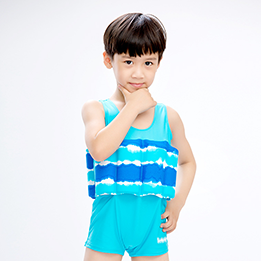
Why Is Choosing the Right Children's Life Jacket Important?
A life jacket is designed to provide additional flotation when a child is in the water. However, a life jacket can only perform properly when it is correctly sized and properly secured.
An oversized life jacket may move around the child's body and may not provide the intended level of support. A life jacket that is too small may restrict movement and may not provide sufficient buoyancy. Therefore, choosing a child life jacket according to the manufacturer's size and weight recommendations is essential.
The activity should also be considered. A child participating in a boat trip may have different requirements from a child taking part in kayaking or other active water sports.
How to Choose a Children's Life Jacket?
Before purchasing children's life jackets, parents and buyers should consider several basic factors.
1. Check the Child's Weight and Size
Weight and size are generally more useful than age alone when selecting a life jacket. Check the manufacturer's sizing information and choose a product designed for the child's current weight and body size.
Do not intentionally purchase a life jacket that is significantly oversized simply because the child may grow into it. A properly fitted life jacket should stay securely in position during normal movement.
2. Check the Fit
A kids life jacket should fit securely without being excessively tight. After fastening the straps, check that the jacket remains in place when the child moves.
Adjustable straps can help improve the fit for children with different body shapes. For young children, additional support around the upper body may also be useful depending on the life jacket design.
3. Consider the Water Activity
Different activities place different demands on a life jacket. Boating, kayaking, fishing and recreational water sports may require different designs and levels of freedom of movement.
Always select a life jacket according to its intended use and the manufacturer's instructions.
4. Check the Safety Certification
For regulated markets, buyers should check whether the life jacket meets the applicable safety standards and certification requirements for the intended region. Certification requirements can vary between countries and product categories.
5. Consider Comfort and Mobility
Children are more likely to wear a life jacket correctly when it is comfortable and allows appropriate movement. Lightweight construction, suitable materials and adjustable straps can contribute to a more comfortable wearing experience.
Choosing Children's Life Jackets for Different Water Activities
The best children's life jacket depends not only on the child but also on where and how it will be used. The following applications illustrate some important considerations.
Children's Life Jackets for Boating
Boating is one of the most common situations where children need a life jacket. Children may sit, stand or move around on a boat, so the life jacket should remain securely positioned during normal activity.
For boating applications, parents should pay attention to the correct size, secure fastening system, appropriate buoyancy and the product's applicable certification.
For younger children, a properly designed child life jacket for boating may also include additional upper-body or head-support features depending on the product design.
Children's Life Jackets for Kayaking
Kayaking involves more upper-body movement than sitting on a boat. Children need a life jacket that provides flotation while allowing appropriate arm and shoulder movement.
When choosing a kids life jacket for kayaking, consider the fit around the shoulders and torso. Excessively bulky construction may interfere with paddling, while a loose fit may reduce stability.
Children's Life Jackets for Fishing
Fishing can involve long periods of sitting or standing near the water. A comfortable life jacket can make it easier for children to wear their flotation equipment throughout the activity.
For fishing trips, parents should look for a suitable fit and a design that does not unnecessarily restrict normal arm movement. Bright or highly visible materials can also be useful in outdoor environments, depending on the product.
Children's Life Jackets for Water Sports
Water sports can involve frequent movement, splashing and changing body positions. In these situations, the life jacket needs to remain securely fitted while allowing the child to move appropriately.
When selecting children's PFDs for water sports, pay particular attention to the intended activity, size range, fit and certification. The life jacket should be designed for the specific activity rather than selected solely based on appearance.
Children's Life Jackets for Beach Activities
Beach activities can include wading, boating and other recreational activities. The water environment may also change quickly due to waves, currents and weather conditions.
Parents should determine whether a life jacket is appropriate for the specific activity and water conditions. A flotation device intended for supervised recreational use should not automatically be considered suitable for every open-water situation.
Children's Life Jackets for Swimming
A life jacket should not be treated as a replacement for swimming ability or adult supervision. Children should be supervised around water even when wearing a properly fitted life jacket.
For swimming-related activities, parents should understand the difference between a certified life jacket or PFD and swimming aids that are designed primarily for learning or recreational flotation.
Children's Life Jacket vs. Swim Vest
Life jackets and swim vests are sometimes confused because both can provide flotation. However, they may have different designs and intended uses.
| Feature | Children's Life Jacket | Swim Vest |
|---|---|---|
| Primary Purpose | Personal flotation and water safety | Swimming assistance and recreational use |
| Typical Use | Boating and applicable water activities | Swimming practice and supervised activities |
| Certification | May be subject to applicable PFD standards | Depends on product and market |
| Fit | Should be selected according to product sizing requirements | Should fit according to manufacturer instructions |
Because the intended purposes can differ, parents should always read the product label and instructions before using a flotation product.
Important Features to Look for in Children's Life Jackets
Secure Adjustable Straps
Adjustable straps allow the life jacket to be fitted more securely to the child's body. Fastening systems should be checked before every water activity.
Suitable Buoyancy
The flotation performance should match the child's size and the product's intended application. Always follow the manufacturer's stated weight and size range.
Comfortable Construction
Children may need to wear their life jacket for extended periods. Comfortable materials and an appropriate fit can encourage consistent use.
Visibility
Highly visible colors or reflective elements can make a child easier to identify in outdoor water environments, depending on the product design and conditions.
Durable Materials
Water sports equipment may be exposed to water, sunlight, repeated use and mechanical wear. Durable construction can help a children's life jacket remain suitable for repeated recreational use when properly maintained.
How to Check the Fit of a Child's Life Jacket
After putting the life jacket on the child, fasten all required closures according to the manufacturer's instructions. Check that the jacket sits correctly around the torso and does not move excessively.
Parents should also check the condition of the straps, buckles, seams and flotation materials before use. If a life jacket shows significant damage, deterioration or other signs of failure, it should not be used until its suitability has been assessed.
Common Mistakes When Choosing a Kids Life Jacket
Choosing a life jacket based only on the child's age
Buying an oversized life jacket for future growth
Ignoring the manufacturer's weight and size recommendations
Choosing a product without checking applicable certification requirements
Using a swimming aid as a substitute for a certified life jacket
Failing to adjust the straps correctly
Using damaged or worn flotation equipment
Assuming a life jacket replaces adult supervision
How to Maintain Children's Life Jackets
Proper maintenance can help extend the usable life of children's flotation equipment. After use, follow the manufacturer's cleaning and drying instructions. Avoid storing the life jacket while it is wet for extended periods.
Before each use, inspect the outer material, seams, straps, buckles and flotation components. Regular inspection is especially important when the product is frequently used in outdoor water activities.
Why Choose the Right Children's Life Jacket?
A properly selected children's life jacket can provide appropriate flotation support while allowing children to participate more comfortably in suitable water activities. The correct product should be selected according to the child's size, intended activity, water environment and applicable safety requirements.
For parents, retailers and water sports equipment buyers, understanding these factors makes it easier to select suitable kids life jackets for boating, kayaking, fishing, swimming and other recreational activities.
FAQ
How do I choose the right children's life jacket?
Start with the manufacturer's recommended weight and size range, then consider the child's activity, fit, buoyancy, comfort and applicable safety certification requirements.
Should I choose a children's life jacket based on age?
Age can provide a general reference, but weight, body size and the manufacturer's specified size range are more important when selecting a properly fitted life jacket.
Can children use the same life jacket for every water activity?
Not necessarily. Different activities may have different requirements for mobility, fit and flotation. Always check the product's intended use and instructions.
Can a swim vest replace a children's life jacket?
Not necessarily. Swim vests and life jackets may have different purposes and certifications. Check the product label and intended use before choosing a flotation device.
Do children still need adult supervision when wearing a life jacket?
Yes. A life jacket is an important flotation aid, but it does not replace appropriate adult supervision or other water-safety practices.