
 English

Choosing a life jacket for boating is not simply a matter of picking the brightest color or the most comfortable-looking design. A good boating life jacket needs to match the wearer, the type of boat, the activity, and the water environment. The right fit also matters because even a well-designed life jacket cannot provide its intended performance if it is too loose or unsuitable for the wearer.
Whether you are preparing safety equipment for a family boat, fishing boat, yacht, or recreational watercraft, understanding what to look for can make the selection process much easier. This guide explains the key factors to consider when choosing a life jacket for boating, from size and buoyancy to design, comfort, and intended use. If you are looking for a suitable adult life jacket for recreational boating, it is also important to consider the wearer's size, activity, and expected water conditions.
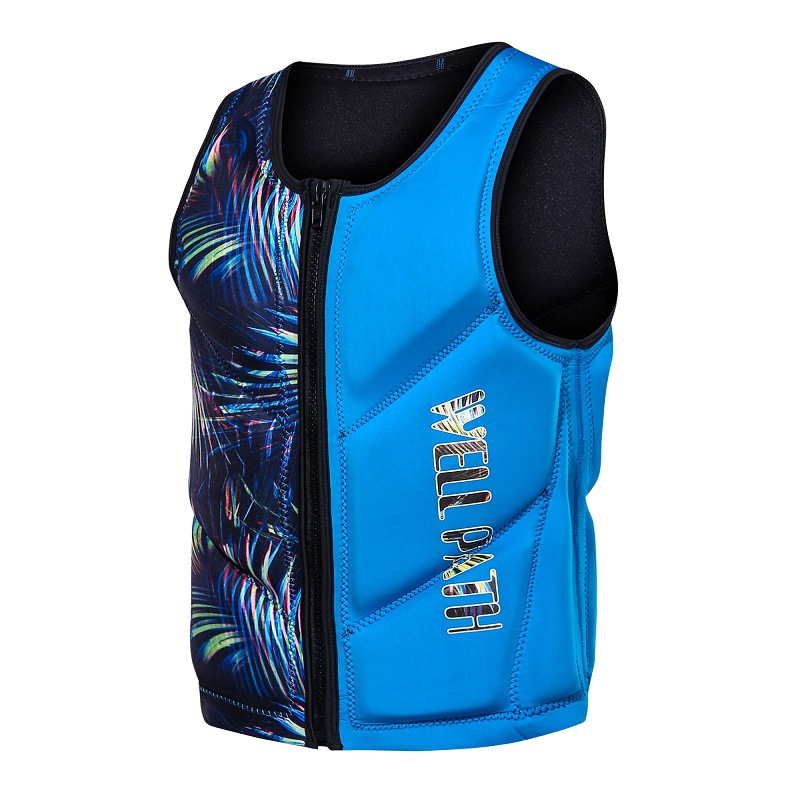
Start With the Boating Activity
The first question to ask is not "Which life jacket looks best?" but "What will I be doing on the water?"
A person spending a quiet afternoon on a recreational boat may have different requirements from someone who spends hours fishing, sailing, or operating a high-speed watercraft.
The amount of movement, exposure to the water, weather conditions, and possibility of falling into the water can all influence the type of boating life jacket that makes sense.
Common boating activities include:
Recreational boating
Fishing
Sailing
Kayaking
Paddle boarding
Water sports
Personal watercraft activities
Instead of choosing one design for every situation, consider the actual activity first and then compare suitable life jacket options.
Choose the Correct Size
Size is one of the most important considerations when selecting a life jacket for boating.
Life jackets are generally selected according to factors such as the wearer's weight, body size, and the manufacturer's sizing system. Children's life jackets require particular attention because children can vary considerably in size even when they are the same age.
Always check the manufacturer's size chart rather than choosing a jacket based only on age or general appearance.
A properly sized jacket should sit securely on the body without creating excessive pressure or restricting normal movement.
How Should a Boating Life Jacket Fit?
A life jacket should fit securely enough that it does not easily ride up when the wearer moves or enters the water.
When checking the fit, pay attention to the following:
The jacket should be appropriate for the wearer's weight and size.
Fasteners should be properly closed and adjusted.
The jacket should remain reasonably secure during normal movement.
It should not be so tight that it restricts comfortable movement.
The wearer should be able to move their arms and upper body normally.
A useful practical check is to follow the manufacturer's fitting instructions and test the jacket before heading onto the water.
Consider Buoyancy and the Intended Water Environment
Buoyancy is a fundamental function of a life jacket. However, simply choosing the product with the highest buoyancy rating is not always the best approach.
The required performance depends on the wearer, activity, water conditions, and applicable safety requirements.
For example, calm recreational boating may have different requirements from boating in open water or rough conditions. The intended use should therefore be considered together with the product's buoyancy characteristics and certification or regulatory requirements.
When purchasing a PFD for boating, check the product label and manufacturer information to understand where and how the product is intended to be used.
Foam or Inflatable: Which Life Jacket Is Better for Boating?
One of the common choices is between traditional foam construction and inflatable designs.
Foam Life Jackets
Foam life jackets use inherently buoyant material to provide flotation. They are straightforward to use because they do not need to be inflated before providing buoyancy.
Foam designs are widely used for recreational boating and are available in adult and children's versions. They can also be designed for activities where durability and simplicity are important.
Inflatable Life Jackets
Inflatable life jackets use an inflation system to provide buoyancy. Their compact profile can make them attractive to adults who want greater freedom of movement while boating.
However, inflatable products can have specific operating requirements and limitations. Before choosing one, users should understand how the inflation system works, when it can be used, and how it needs to be maintained.
The best choice depends on the user and the intended activity rather than the construction type alone.
Look for Freedom of Movement
Boating can involve a surprising amount of movement. You may need to steer, handle equipment, cast a fishing line, adjust sails, climb onto a deck, or move around the boat.
For this reason, comfort and mobility should not be ignored when choosing a boating life jacket.
Features that can contribute to better usability include:
Adjustable straps
Comfortable arm openings
Lightweight construction
Flexible materials
Secure buckles
Appropriate body coverage
A jacket that is technically suitable but uncomfortable may be less likely to be worn correctly throughout the entire boating trip.
Pay Attention to Visibility
Visibility can be an important consideration in an emergency, especially in outdoor or open-water environments.
Bright colors can make a person easier to identify against the surrounding water, while reflective elements may provide additional visibility in appropriate conditions.
When comparing different life jackets, consider whether the design provides suitable visual visibility for the environment in which it will be used.
Check the Closure and Adjustment System
A good life jacket for boating should stay securely positioned on the body during normal activity.
Different designs may use buckles, zippers, adjustable straps, or combinations of these features.
When evaluating a product, look at how easily the jacket can be put on, adjusted, and secured. This is particularly important for children because an incorrectly fastened jacket may not perform as intended.
For commercial or rental operations, easy adjustment can also make it simpler to accommodate different users.
Consider the Material and Construction
The materials used in a life jacket affect its comfort, durability, weight, and resistance to everyday use.
Common construction elements may include buoyant foam, synthetic outer fabrics, webbing, buckles, zippers, stitching, and other hardware.
For frequent boating use, it is worth considering how the product will handle repeated exposure to water, sunlight, movement, and storage.
Manufacturing quality is also important. Consistent stitching, secure attachment points, reliable hardware, and appropriate material selection can contribute to the overall durability of a boating life jacket.
Think About Children Separately
Children should not simply use smaller versions of Adult Life Jackets. Their products need to be selected according to the child's size, weight, fit, and intended activity.
When choosing a kids life jacket, pay particular attention to:
Correct weight and size range
Secure fit
Properly adjusted straps
Comfort around the neck and arms
Visibility
Applicable safety requirements
Children should also be supervised appropriately around water. A life jacket is an important safety device, but it should not be treated as a substitute for responsible supervision and safe boating practices.
Check Certification and Local Requirements
Before purchasing a life jacket, check the safety requirements that apply to the location and activity where it will be used.
Different countries and regions can have different regulations, approval systems, and labeling requirements. A product that is suitable for one market may not automatically meet the requirements of another.
For commercial buyers and distributors, it is particularly important to confirm the required certification, labeling, testing, and documentation before placing a large order.
What About Durability?
A life jacket used occasionally on a recreational boat may experience very different conditions from one used every day by a fishing guide, rental business, or water sports operator.
For frequent use, look at the overall construction rather than one material specification.
Important areas include:
Outer fabric durability
Seam construction
Webbing strength
Buckle quality
Zipper performance
Foam or inflation system condition
Resistance to repeated use
Proper cleaning, inspection, drying, and storage can also help maintain the product in usable condition. Always follow the manufacturer's care instructions.
How to Choose a Life Jacket for Different Types of Boating
For Recreational Boating
For general recreational boating, prioritize a secure fit, suitable buoyancy, comfort, visibility, and compliance with applicable requirements.
For Fishing
Fishing often involves sitting, standing, casting, and handling equipment. A fishing life jacket should therefore allow sufficient upper-body movement while remaining securely positioned.
For Sailing
Sailing can involve frequent movement around the deck and exposure to changing weather conditions. A comfortable and secure design can make a significant difference during longer periods on the water.
For Water Sports
Water sports can involve higher movement intensity and different impact conditions. A suitable water sports life jacket should be selected specifically for the activity rather than using a general-purpose product without checking its intended use.
Questions to Ask Before Buying
If you are comparing several products, the following questions can make the decision easier:
Who will wear the life jacket?
What is the user's weight and size?
What type of boating activity is involved?
Will the user be exposed to open or calm water?
Is foam or inflatable construction more appropriate?
How much freedom of movement is required?
What safety certification is required?
How frequently will the product be used?
Does the design provide suitable visibility?
Are replacement or maintenance requirements reasonable?
FAQ About Choosing a Boating Life Jacket
What is the best life jacket for boating?
There is no single life jacket that is best for every boating situation. The right choice depends on the user's size, boating activity, water conditions, required buoyancy, comfort, and applicable safety requirements.
Should I choose a foam or inflatable life jacket for boating?
Both have advantages. Foam jackets provide inherent buoyancy and are straightforward to use, while inflatable designs can offer a lower-profile option for certain users and activities. Always check the product's intended use and operating requirements before choosing.
How do I know if a life jacket fits correctly?
Choose the correct size according to the manufacturer's instructions, secure all fasteners, and check that the jacket remains properly positioned without being excessively tight. A properly fitted jacket should allow reasonable movement while staying securely on the body.
What size life jacket should I buy for a child?
Use the manufacturer's size and weight chart rather than choosing based only on age. Children's body sizes vary, so the correct fit should be checked individually.
Can I use the same life jacket for boating and water sports?
Not necessarily. Different activities can have different performance and design requirements. Always check the manufacturer's stated intended use before using a product for a particular water activity.
What should I look for in a life jacket manufacturer?
For commercial buyers, consider manufacturing experience, material quality, product testing, applicable certifications, production capacity, customization capabilities, quality control, and after-sales support.
Final Thoughts
Choosing the right life jacket for boating starts with understanding how and where it will be used. Instead of selecting a product based on appearance or price alone, consider the wearer, fit, buoyancy, activity, comfort, visibility, construction, and applicable safety requirements.
For individual boaters, a properly fitted and suitable life jacket can become an important part of a responsible approach to water safety. For distributors, boat operators, retailers, and other commercial buyers, product consistency, certification, durability, and customization may also be important factors.
The goal is simple: choose a boating life jacket that matches the real conditions in which it will be used and make sure it is worn and maintained according to the manufacturer's instructions.