
 English

A Heated Vest works by using electricity from a rechargeable battery to power built-in heating elements that generate warmth.Unlike traditional insulated clothing that only traps body heat,a heated vest actively produces heat and distributes it to key areas of the body,helping users stay comfortable in cold environments.
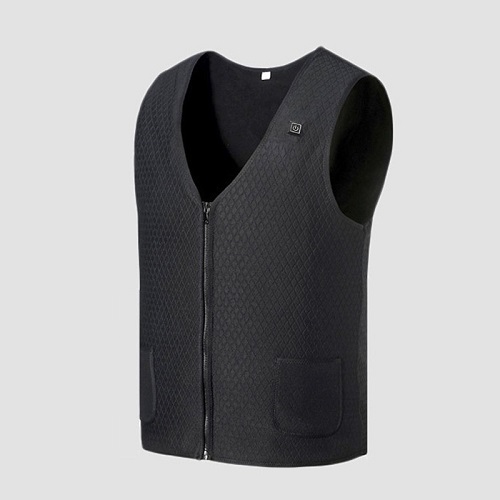
The Basic Working Principle
The operation of a heated vest is based on a simple electrical heating process.When the vest is turned on,electricity flows from the battery through conductive heating elements embedded inside the garment.These elements create heat through electrical resistance,which is then transferred to the wearer.
The heating process follows the same principle used in electric blankets,heated car seats,and other heated clothing products.
Main Components of a Heated Vest
1.Heating Elements
The most important part of a heated vest is the heating element.Modern heated vests typically use:
Carbon fiber heating panels
Carbon nanotube heating technology
Flexible metal heating wires
These materials are lightweight,durable,and capable of generating consistent heat without adding significant bulk to the garment.
Heating elements are usually positioned in areas where warmth is most beneficial:
Chest
Upper back
Lower back
Shoulders
Neck or collar
By focusing on the body's core regions,the vest can warm the entire body more efficiently.
2.Rechargeable Battery Pack
A portable lithium-ion battery supplies power to the heating system.Depending on the battery capacity,a heated vest can operate for several hours on a single charge.
Typical battery specifications include:
| Battery Capacity | Approximate Runtime |
| 5,000mAh | 3–5 hours |
| 10,000mAh | 6–10 hours |
| 15,000mAh+ | 8–12 hours |
Actual runtime depends on the selected heat setting and environmental conditions.
3.Temperature Control System
Most heated vests include a control button that allows users to adjust the heat level.
Common settings include:
Low Heat(around 40°C/104°F)
Medium Heat(around 50°C/122°F)
High Heat(around 60°C/140°F)
Some advanced smart heated vests offer:
Bluetooth connectivity
Smartphone app control
Automatic temperature regulation
Battery monitoring
Step-by-Step Heating Process
Step 1:Power On
The user connects the battery pack and presses the power button.
Step 2:Electricity Flows
Electrical current travels through the heating elements embedded within the vest.
Step 3:Heat Generation
As current passes through the conductive material,electrical resistance converts electrical energy into thermal energy.
Step 4:Heat Distribution
The heating panels warm targeted body zones such as the chest and back.
Step 5:Temperature Regulation
The control system maintains the selected temperature and adjusts power output as needed.
Why Carbon Fiber Heating Elements Are Popular
Many premium heated vests use carbon fiber heating technology because it offers several advantages:
Fast Heating
Carbon fiber can begin generating heat within seconds.
Lightweight Construction
The material adds minimal weight to the garment.
Flexibility
Heating panels remain comfortable during movement.
Uniform Heat Distribution
Heat spreads evenly across the heating zones.
Durability
Carbon fiber elements withstand repeated bending and washing better than traditional wires.
How Does a Heated Vest Keep You Warm?
The human body loses heat through radiation,convection,and wind exposure.A heated vest combats heat loss by supplying additional warmth directly to the body's core.
When the chest and back stay warm:
Blood circulation improves.
The body uses less energy to maintain temperature.
Hands and feet often feel warmer due to improved circulation.
Overall comfort increases in cold environments.
This targeted heating approach is more efficient than simply wearing thicker layers of clothing.
Heated Vest vs Traditional Winter Clothing
Heated Vest
Advantages
Active heat generation
Adjustable warmth
Lightweight design
Quick heating response
Better performance in extreme cold
Disadvantages
Requires battery charging
Higher purchase cost
Traditional Insulated Vest
Advantages
No electricity required
Simple maintenance
Lower cost
Disadvantages
Relies entirely on body heat
No temperature control
Less effective during prolonged cold exposure
Safety Features in Modern Heated Vests
Quality heated vests incorporate multiple safety systems,including:
Overheat protection
Short-circuit protection
Overcurrent protection
Automatic shutdown
Waterproof electrical connectors
Low-voltage operation
These features make modern heated clothing safe for everyday use when used according to manufacturer instructions.
Applications of Heated Vests
Because of their ability to provide consistent warmth,heated vests are commonly used for:
Outdoor Activities
Hiking
Camping
Fishing
Hunting
Cycling
Winter Sports
Skiing
Snowboarding
Ice skating
Professional Work
Construction
Warehousing
Utility maintenance
Security services
Everyday Wear
Winter commuting
Dog walking
Outdoor events
Travel
FAQ
How quickly does a heated vest heat up?
Most heated vests begin producing noticeable warmth within 30–60 seconds after activation.
Can a heated vest overheat?
Modern heated vests include temperature regulation and overheat protection systems to prevent excessive heating.
How long does a heated vest battery last?
Depending on battery size and heat setting,most batteries provide between 3 and 10 hours of operation.
Can heated vests be worn under jackets?
Yes.In fact,wearing a heated vest beneath a windproof or insulated jacket often maximizes warmth and battery efficiency.