
 English

Staying warm during cold weather can be challenging,especially for people who spend long hours outdoors.Traditional winter clothing relies on insulation to retain body heat,but modern technology has introduced a more effective solution:the Heated Vest.Designed with built-in heating elements and powered by rechargeable batteries,heated vests provide consistent warmth and comfort in a variety of environments.
Whether you are hiking in the mountains,working on a construction site,or commuting during winter,a heated vest can significantly improve your cold-weather experience.In this guide,we'll explore what a heated vest is,how it works,its key features,applications,and how it compares to traditional insulated clothing.
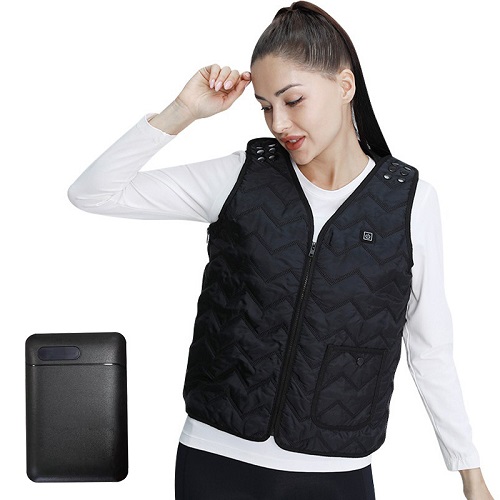
What Is a Heated Vest?
A Heated Vest is a battery-powered garment that uses integrated heating elements to generate warmth.Unlike conventional insulated vests that simply trap body heat,heated vests actively produce heat and distribute it to specific areas of the body,such as the chest,back,shoulders,and neck.
Most heated vests are powered by rechargeable lithium-ion batteries and feature adjustable temperature settings,allowing users to customize their level of warmth according to weather conditions and personal preferences.
As wearable technology continues to evolve,heated clothing has become increasingly popular among outdoor enthusiasts,workers,athletes,and everyday consumers seeking reliable winter protection.
How Does a Heated Vest Work?
The working principle of a heated vest is relatively simple.The garment contains conductive heating elements made from carbon fiber or advanced heating wires.When connected to a power source,electrical current flows through these elements,generating heat through electrical resistance.
A standard heated vest typically includes:
Heating Elements
Strategically placed heating panels provide warmth to the body's core areas.Common heating zones include:
Upper back
Lower back
Chest
Shoulders
Collar or neck area
Rechargeable Battery Pack
Most heated vests use portable lithium-ion batteries that can deliver several hours of heating on a single charge.Battery life varies depending on capacity and selected heat settings.
Temperature Control System
Users can switch between multiple heat levels,typically:
Low Heat
Medium Heat
High Heat
Some premium smart heated vests even offer Bluetooth or app-based controls for greater convenience.
Key Features of a Heated Vest
Fast Heating Technology
Many modern heated vests can begin warming up within 30 to 60 seconds after activation,providing immediate comfort in cold environments.
Adjustable Temperature Settings
The ability to customize heating levels allows users to balance warmth and battery efficiency according to changing weather conditions.
Lightweight and Comfortable
Unlike bulky winter jackets,heated vests offer targeted warmth without restricting movement,making them ideal for active users.
Energy Efficiency
Because heat is concentrated around the body's core,heated vests use energy efficiently while maximizing thermal comfort.
Rechargeable and Portable
Most models feature USB charging capabilities and can be powered by compact battery packs,making them easy to use on the go.
Safe Operation
Quality heated vests include multiple safety features such as:
Overheat protection
Short-circuit protection
Voltage regulation
Automatic shutoff functions
Benefits of Using a Heated Vest
Improved Cold-Weather Comfort
A heated vest provides direct warmth where it is needed most,helping users remain comfortable even in freezing temperatures.
Reduced Need for Heavy Clothing
By generating heat internally,heated vests allow users to wear fewer layers while maintaining warmth.
Enhanced Mobility
The lightweight design offers greater freedom of movement compared to traditional winter outerwear.
Longer Outdoor Endurance
Whether working or enjoying outdoor activities,maintaining body temperature helps reduce fatigue and improve overall performance.
Versatile Layering Options
Heated vests can be worn as:
Base layers
Mid-layers
Standalone outerwear in mild conditions
Common Applications of Heated Vests
Outdoor Recreation
Outdoor enthusiasts often rely on heated vests for activities such as:
Hiking
Camping
Hunting
Fishing
Cycling
Backpacking
The consistent warmth allows users to stay outdoors longer and more comfortably.
Winter Sports
Athletes participating in cold-weather sports frequently wear heated vests,including:
Skiing
Snowboarding
Ice skating
Snowmobiling
Professional Work Environments
Many workers face prolonged exposure to cold temperatures.Heated workwear helps improve comfort and productivity for:
Construction workers
Utility technicians
Security personnel
Warehouse operators
Transportation workers
Daily Winter Use
Heated vests are also popular for everyday activities such as:
Commuting
Walking pets
Attending outdoor events
Traveling in cold climates
Types of Heated Vests
Battery-Powered Heated Vest
The most common type,featuring rechargeable batteries and multiple heating zones.
USB Heated Vest
These models can be powered by portable power banks,making them convenient and affordable.
Smart Heated Vest
Advanced versions offer app controls,programmable heating schedules,and real-time battery monitoring.
Lightweight Heated Vest
Designed primarily for layering,these vests provide warmth without adding significant bulk.
Heated Vest vs Traditional Insulated Vest
When choosing winter clothing,many consumers compare heated vests with traditional insulated vests.
Heated Vest Advantages
Active heat generation
Adjustable temperature control
Faster warming performance
Better cold-weather protection
Lightweight design
Traditional Vest Advantages
No battery required
Lower maintenance
Generally lower cost
Reliable passive insulation
For extremely cold environments,heated vests often provide superior warmth and comfort.
How to Choose the Right Heated Vest
When shopping for a heated vest,consider the following factors:
Battery Life
Look for models offering at least 6–10 hours of runtime on low settings.
Heating Zones
More heating zones generally provide more balanced warmth distribution.
Material Quality
Choose durable,weather-resistant fabrics that offer comfort and breathability.
Temperature Range
Multiple heat settings provide greater versatility across different weather conditions.
Washability
Select a machine-washable heated vest for easier maintenance.
Safety Certifications
Ensure the product meets relevant safety standards and includes built-in protection systems.
FAQ
Are heated vests safe?
Yes.Most reputable heated vests incorporate multiple safety mechanisms,including overheat protection and automatic temperature regulation.
How long does a heated vest battery last?
Battery life typically ranges from 3 to 10 hours depending on battery capacity and heat settings.
Can heated vests be washed?
Most modern heated vests are machine washable after removing the battery pack.Always follow the manufacturer's care instructions.
Can I wear a heated vest under a jacket?
Absolutely.Wearing a heated vest beneath an insulated or waterproof jacket often provides the best thermal performance.
Are heated vests worth buying?
For people who regularly spend time outdoors during winter,a heated vest can significantly improve comfort,mobility,and protection from cold weather.