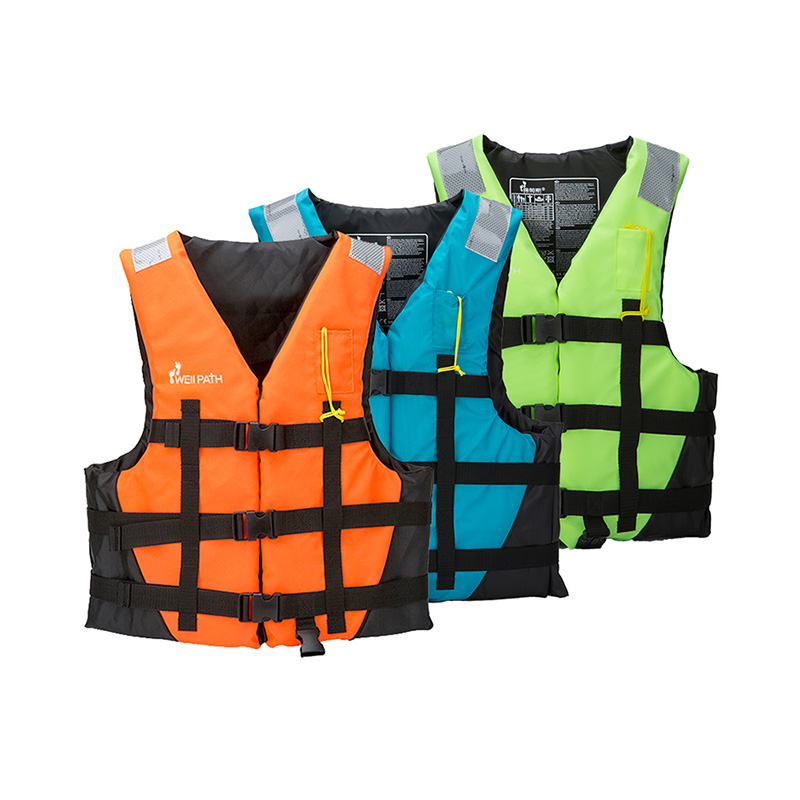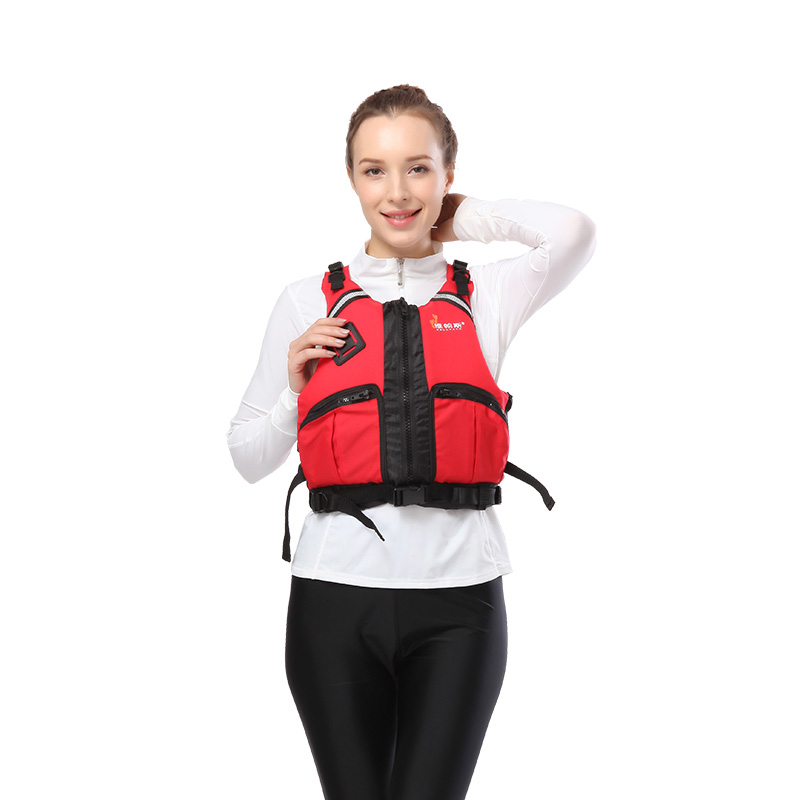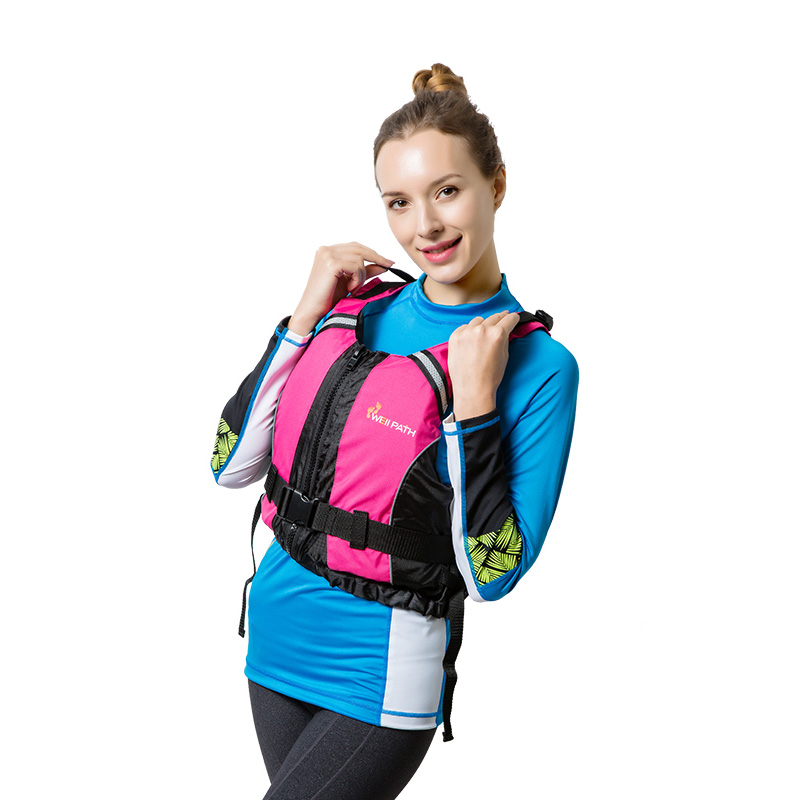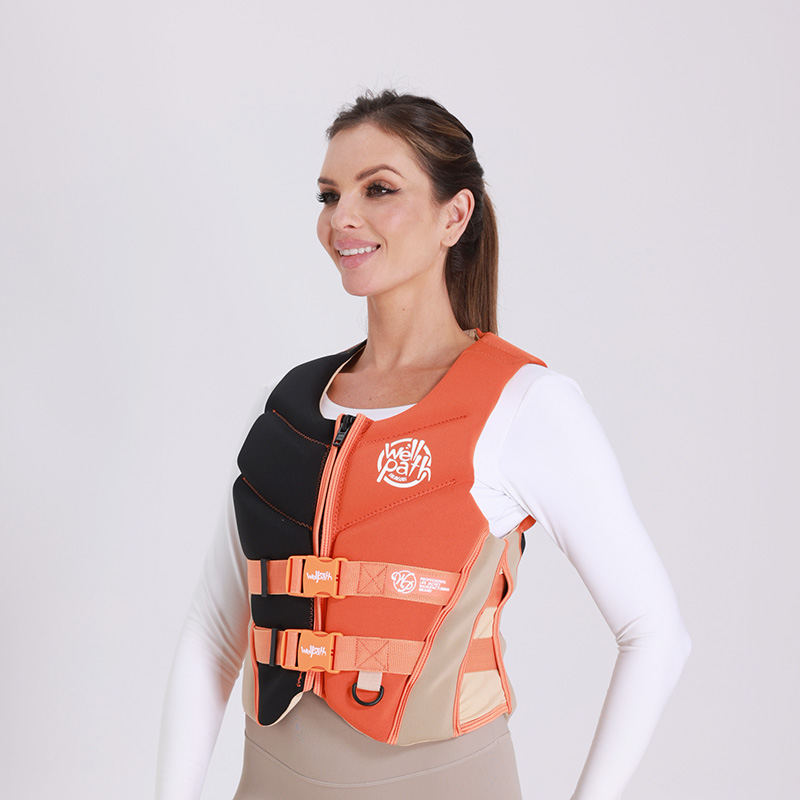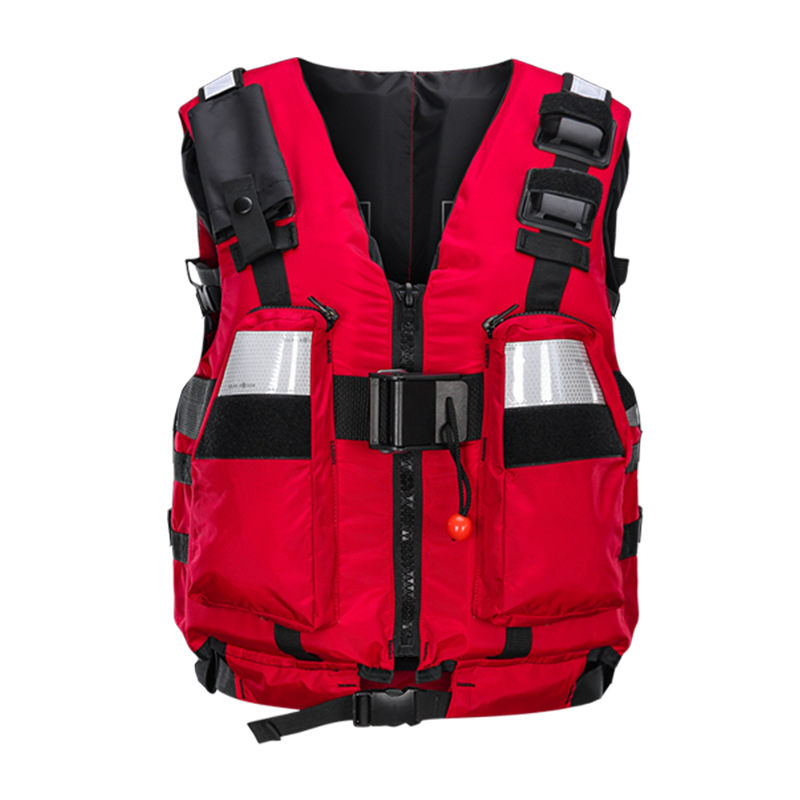
Definition: A swimming life jacket for adults is a safety device designed to be worn around the torso, providing buoyancy to keep the wearer afloat in water. It is typically made of lightweight, buoyant materials like foam or inflatable chambers.
Function:
Buoyancy Support: Ensures the wearer stays on the water's surface, reducing fatigue and preventing drowning.
Enhanced Safety: Critical for swimming, boating, kayaking, or other water activities, especially in emergencies (e.g., exhaustion, cramps, or accidental falls).
Compliance with Standards: Many models meet international safety certifications (e.g., ISO, USCG approval) for reliability in critical situations.
Types:
Foam Life Jackets: Use solid foam for buoyancy; lightweight, maintenance-free, and ideal for continuous wear.
Inflatable Life Jackets: Feature CO₂ cartridges for manual or automatic inflation; compact when deflated, offering greater mobility.
Selection Criteria:
Buoyancy Rating: Choose based on the wearer’s weight and activity (e.g., calm vs. rough waters).
Comfort: Look for breathable fabrics, adjustable straps, and a snug fit without restricting movement.
Durability: Opt for high-quality materials resistant to tears, UV damage, and saltwater corrosion.
Certification: Prioritize jackets approved by recognized safety organizations (e.g., CE, SOLAS).
Proper Wearing:
Fasten all buckles/straps securely.
Ensure the jacket fits snugly without riding up.
For inflatable models, test the inflation mechanism periodically.
Regular Inspections:
Check foam for cracks or waterlogging (non-inflatable jackets).
Verify inflatable chambers, cartridges, and oral inflation tubes are intact.
Inspect straps, buckles, and reflective strips for wear.
Cleaning & Storage:
Rinse with fresh water after use to remove salt/chlorine.
Dry completely before storing in a cool, dry place away from direct sunlight.
Avoid folding or compressing foam jackets excessively.


 English